
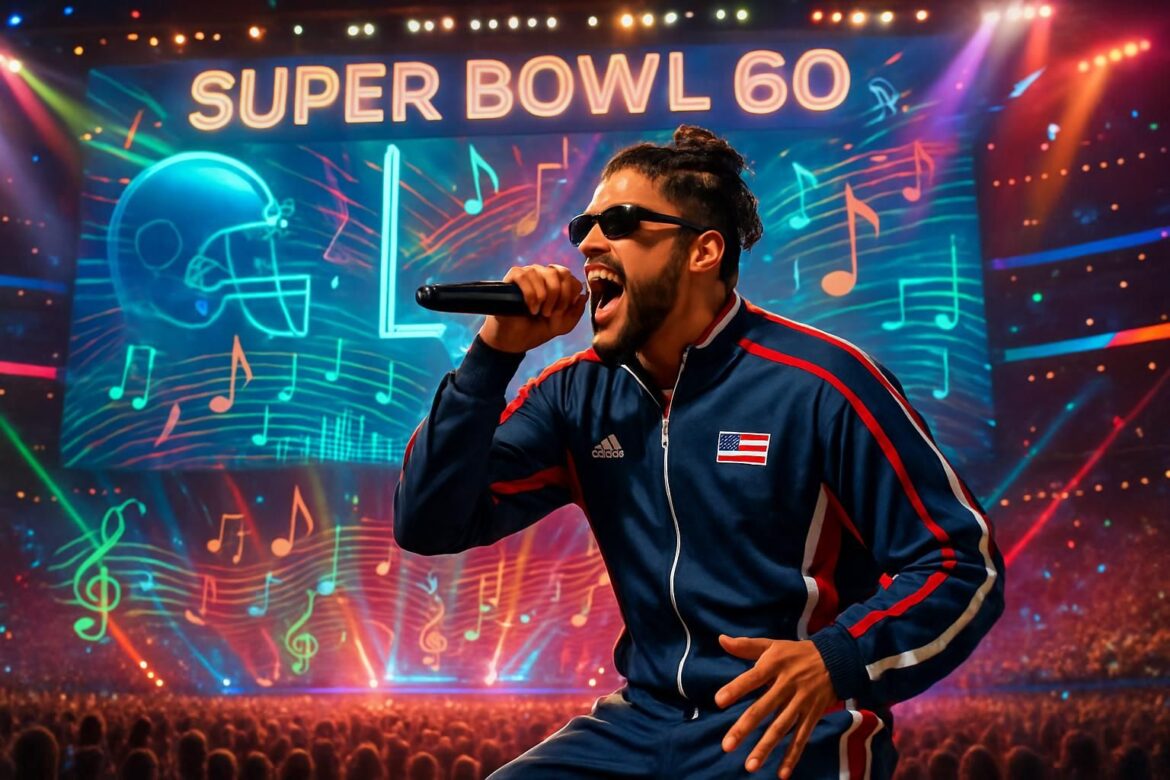
Bad Bunny’s Unique Integration of Sports Culture within His Musical Craft
Bad Bunny has established himself not only as a global music phenomenon but also as a cultural icon who weaves the fabric of sports culture intricately into his musical narrative. As he prepares for the spotlight at Super Bowl 60’s halftime show, it’s clear that his work is deeply influenced by the world of sports, transcending language barriers and resonating broadly with diverse audiences.
The success of his 2025 album, “Debí Tirar Más Fotos”, stands as a testament to his artistic evolution. This album is steeped in Puerto Rican cultural pride and reflects the unique partnership between sports figures and music in his creative process. By referencing legendary athletes like Albert Pujols, Kobe Bryant, Tim Duncan, Lionel Messi, and even Tom Brady, he creates a bridge connecting his hip hop roots and entertainment with the collective global reverence for sports heroes.
A voir aussi : ESPN Kicks Off 'Year of the Super Bowl' Countdown Leading Up to February 2027 Showdown
For instance, in the album’s track “Nuevayol,” Bad Bunny lyrically captures the energy of New York’s vibrant baseball scene, highlighting the talent of Juan Soto. The song’s vivid imagery, “with the Yankees and the Mets, Juan Soto. Gotta run, once again we’re hitting it out of the park,” not only reflects his respect for the sport but also serves as a metaphor for excellence and success in the music industry.
His lyrical nods to boxing greats such as Félix “Tito” Trinidad and Miguel Cotto in the song “La Mudanza” further showcase the intersection of athletic prowess and personal identity. The line “They love me like Tito, and I’m as serious as Cotto” underlines the reverence Bad Bunny holds for Puerto Rico’s boxing legends and symbolizes his own seriousness in his craft and performance.
Avez-vous vu cela : Cardi B Sparks Debate in Prediction Markets with Her Surprise Spot in Bad Bunny's Super Bowl Halftime Show - The Athletic
Bad Bunny’s musical craft is enriched by this sports infusion, as it provides a dynamic narrative layer that resonates with his audience. By aligning himself with worldwide sports icons and their stories of resilience and victory, he elevates his hip hop storytelling beyond conventional themes, blending entertainment with cultural significance. This cross-pollination of music and sports culture cements his status as an innovator capable of engaging new demographics ahead of high-profile performances such as the Super Bowl 60 halftime show.
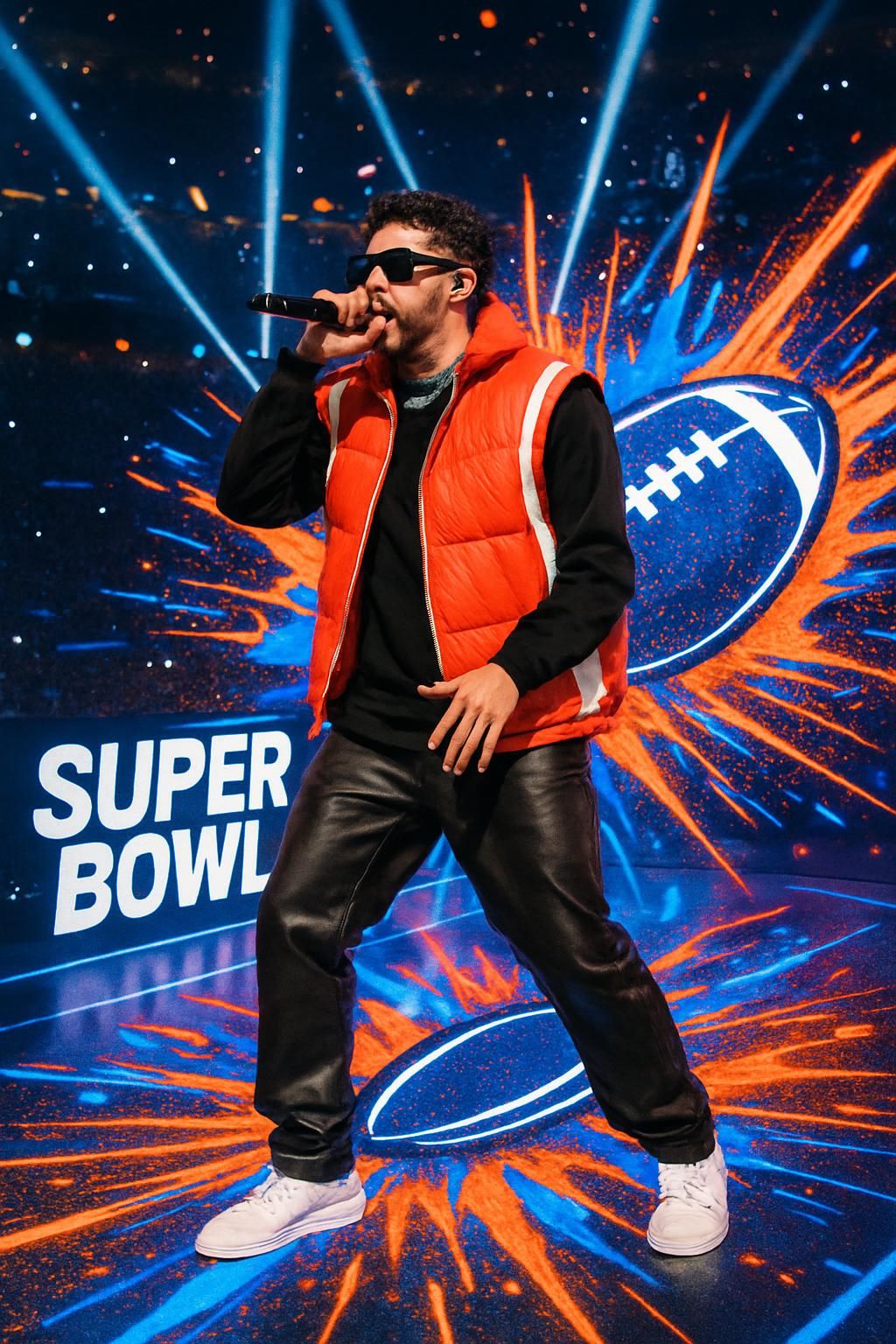
The Cultural Impact of Bad Bunny’s Sports References on Latino Representation
Bad Bunny’s consistent integration of sports legends and themes into his music has profound cultural implications, particularly for Latino representation in the realms of both sports and entertainment. His historic win for Album of the Year at the 2025 Grammys marked the first time a Latino artist earned this prestigious accolade in 68 years, spotlighting a new era where Latino voices command mainstream recognition.
This cultural breakthrough is amplified by the way Bad Bunny celebrates Latino athletes who have inspired many across communities. Throughout his discography, the mention of figures like Roberto Clemente and Albert Pujols in “Acho PR” pays homage to trailblazers who paved the way in Major League Baseball. Clemente’s legacy as the first Latin American inducted into the Hall of Fame and Pujols’ illustrious career spanning more than two decades serve not only as sports milestones but as powerful symbols of perseverance and pride.
Moreover, Bad Bunny’s references to soccer greats Diego Maradona and Lionel Messi intertwine Latino heritage with global sporting phenomena. By lyrically placing these icons alongside the concept of the “GOAT” – Greatest of All Time – he appeals to a shared sense of identity and accomplishment within the Latino community, which is often underrepresented in mainstream American music and sports culture.
His nods to Puerto Rican MLB players such as Edwin Díaz and Francisco Lindor also celebrate contemporary Latino success stories, reflecting both personal pride and communal upliftment. This continuum from historic to current athletes mirrors Bad Bunny’s broader mission of cultural commentary through his music, shaping the sports narrative within Latino discourse and influencing pop culture at large.
The impact of this approach extends beyond mere mentions. It is a deliberate act of cultural affirmation that resonates deeply with young Latinos globally, empowering them to see their identities and aspirations reflected in the echelons of fame, whether on the field or the stage. The confidence and cultural depth in Bad Bunny’s music strikingly enhance the entertainment landscape as Super Bowl 60 approaches, promising a performance rich with both artistic mastery and cultural resonance.
Exploring the Influence of Sports Legends in Bad Bunny’s Songwriting and Performances
Bad Bunny’s skillful songwriting encompasses more than catchy rhythms and hooks; it is infused with references that serve as tributes to iconic sports figures who inspire him. The Athletic’s deep dive into his work reveals multiple layers where sports culture energizes his creativity, turning his songs into vibrant narratives of triumph, struggle, and identity.
In tracks like “Nadie Sabe,” from his 2023 album “Nadie Sabe Lo Que Va a Pasar Mañana,” Bad Bunny pays homage to Formula One great Ayrton Senna by invoking the peril and perseverance synonymous with the legendary driver’s career. This reference not only acknowledges risk and determination but also subtly connects those qualities to Bad Bunny’s journey in the music industry.
Similarly, his lyric comparing his own dominance to that of Edwin Díaz and Randy Arozarena positions him as a force within his domain, much like these athletes are in theirs. This parallel enriches the listener’s understanding of his ambition and self-perception, celebrating victory on multiple fronts.
The song “Monaco” cleverly intertwines boxing imagery referencing Rocky Marciano and the fictional Rocky Balboa, blending sport and pop culture seamlessly. Bad Bunny also integrates Formula One successes, highlighting the Red Bull Racing partnership of Max Verstappen and Sergio “Checo” Pérez, capturing the essence of speed, precision, and celebration through the metaphor of champagne spray on podiums.
Moreover, the lyrical shoutout to legendary Argentinian soccer players Maradona and Messi elevates the song’s narrative of excellence to a global scale. The phrase “scoring a goal after Messi and Maradona” encapsulates the rarity and prestige of such an achievement, positioning Bad Bunny’s musical achievements within a similar constellation of greatness.
This deep embedding of sports references in Bad Bunny’s songwriting is more than artistic flair; it reveals his understanding of sports culture as a universal language that informs his musical craft and performance ethos. It prepares audiences for a halftime show that promises to be anything but conventional, blending musical innovation with the spirit of competitive excellence.
How Bad Bunny’s Sports-Inspired Lyrics Enhance His Performance Style and Public Image
Beyond the studio, the influence of sports culture visibly shapes Bad Bunny’s dynamic performance style and public persona. His lyrics not only bolster his music’s lyrical depth but also mirror his approach to entertainment—full of energy, passion, and a sense of competition.
For example, in “25/8” from the acclaimed 2020 album “YHLQMDLG,” Bad Bunny merges his relentless work ethic with sports metaphors. Lines like “Today, we’re hitting the streets, Luka Dončić, there’s no way I’m going to fail” emphasize his association with rising sports stars and a refusal to accept limits. His reference to wide receivers making money captures his mindset of catching opportunities and turning them into successes, reminiscent of football players who seize critical game moments.
His confident assertion “Without going to the playoffs, I win the finals” conveys a rebellious spirit — challenging norms and expectations much like an underdog athlete defying odds. This brash bravado adds layers to his public image as a fearless entertainer willing to break barriers.
Additionally, the interweaving of soccer rivalries, such as Boca Juniors versus River Plate, in his verses reflects his affinity for intense competition, a theme consistently echoed in the Super Bowl environment. It is this fusion of competitive spirit and musical craftsmanship that makes his upcoming Super Bowl 60 halftime show a highly anticipated cultural event.
Bad Bunny’s public interactions with sports icons, such as meeting LeBron James and aligning himself publicly with figures in Formula One and baseball, further illustrate how sports culture influences his positioning in the entertainment domain. This interplay enriches his appeal across fan bases, making him a symbol of the convergence between athleticism and artistry.
This strategic blending supports his reputation as an artist who not only entertains but embodies the fusion of sports’s psychological edge and hip hop’s creative power, elevating his performances into immersive cultural experiences.
The Role of Music and Sports Synergy in Shaping Entertainment at Super Bowl 60
The upcoming Super Bowl 60 halftime show at Levi’s Stadium presents a unique stage where music and sports culture intersect powerfully, with Bad Bunny at the helm. This performance will showcase the profound synergy that shapes modern entertainment, drawing on both his musical genius and his deep connection with sports culture.
The Super Bowl halftime slot is known for transcending mere music performance; it encapsulates culture, identity, and shared experience. Bad Bunny’s musical craft, enriched by his sports references and cultural narratives, positions him to deliver a show that resonates far beyond the traditional fan base. His artistry reflects the evolving landscape where entertainment increasingly embraces multifaceted identities and influences.
The halftime show will likely echo themes from his award-winning album “Debí Tirar Más Fotos,” blending Puerto Rican heritage, athletic determination, and thrilling musical production. The interplay of hip hop beats with lyrical nods to sports legends creates an atmosphere charged with energy and cultural relevance, captivating diverse audiences worldwide.
Ultimately, Bad Bunny’s Super Bowl 60 performance is a testament to the growing influence of Latino artists within the fabric of global sports entertainment. His seamless melding of music and sports culture amplifies his cultural impact, challenging and expanding the definition of performance art in 2026 and beyond.
Here is a compelling list illustrating the key elements that make this synergy so effective in Bad Bunny’s work:
- Authentic cultural representation: Celebrating Latino athletes and heritage through music.
- Universal storytelling: Using sports as metaphors to engage a global audience.
- Visual spectacle: Integrating athletic symbolism into stage design and choreography.
- Cross-disciplinary collaboration: Partnering with sports figures and brands to broaden reach.
- Emotional resonance: Connecting personal triumphs in sports and music to audience experiences.
This multifaceted approach underscores why Bad Bunny’s halftime show is poised to be a landmark event, blending hip hop, entertainment, and sports culture in a way that reflects the spirit of the times.

