
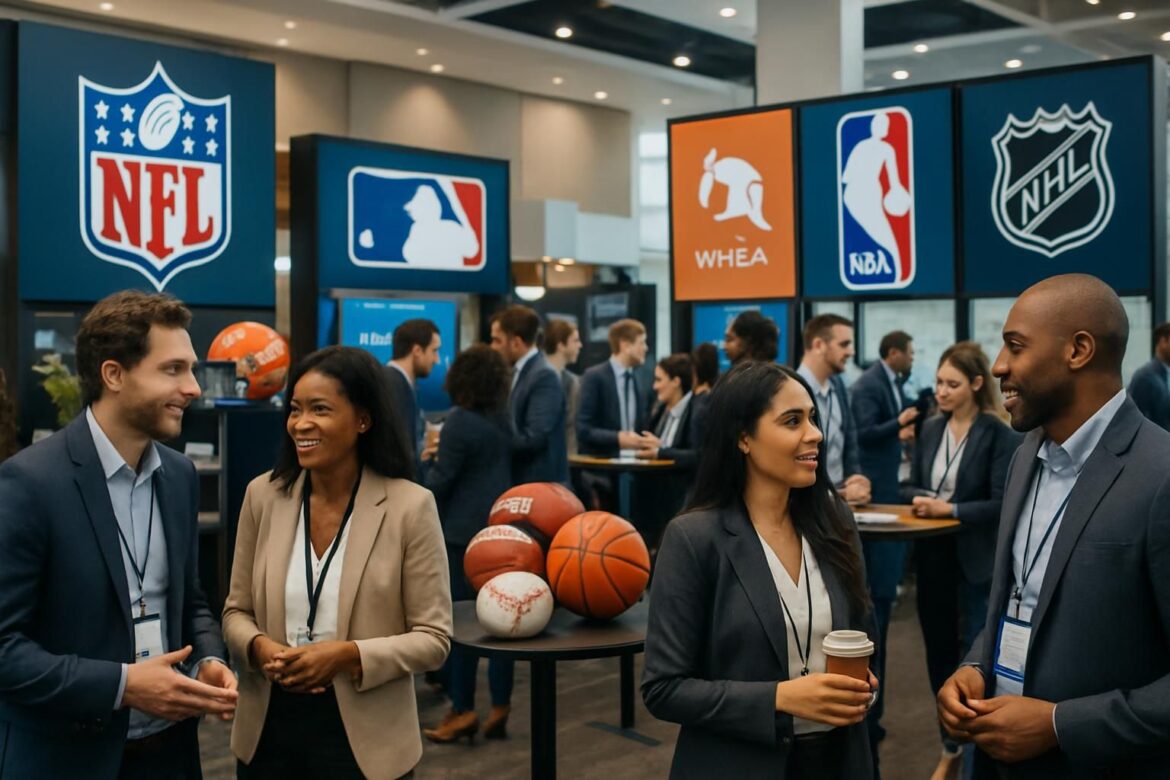
The Evolution of Sponsorship in NFL and College Football
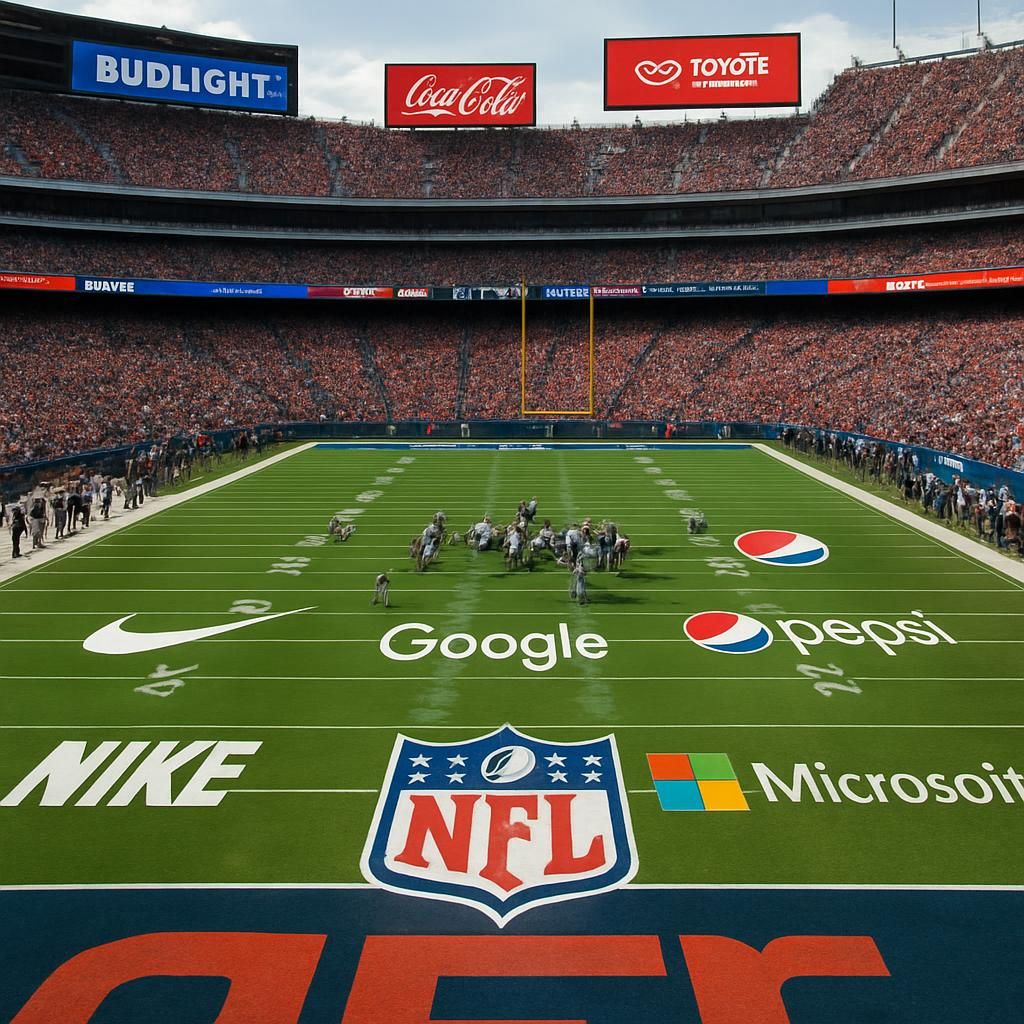
Sponsorship in the world of NFL and College Football has transformed considerably over the last decade. These two sports leagues have set the tone for brand partnerships within American sports, illustrating how corporations leverage the massive fanbases to advance their marketing goals. The NFL, with its colossal national audience, represents the pinnacle of sponsorship opportunities. In 2026, sponsorship deals in the NFL often encompass a range of activities from stadium naming rights to athlete endorsements and integrated advertising campaigns during games.
One pivotal development in the NFL’s sponsorship journey has been the evolution of advertising platforms. Traditionally, sponsors were limited to commercial breaks and simple stadium signage. Today, brands integrate themselves within the broadcast itself, employing augmented reality overlays, digital sponsorships during streaming broadcasts, and exclusive content created for dedicated platforms. For instance, companies like Gillette or major beverage brands have extended their presence far beyond commercials, offering exclusive digital experiences that resonate with younger fans.
Sujet a lire : Sports Equinox: Everything You Need to Know About Catching NFL, NBA, MLB, and NHL Games Simultaneously
The connection between sponsors and athletes has also deepened. Star players serve as the face of campaigns not only on TV but across social media, which has become a critical element in sports marketing strategies. These athlete endorsements increase authenticity and give brands a trustworthy voice within fan communities. However, sponsorship in football isn’t without its challenges. Costs have risen considerably, and the saturation of advertisements sometimes leads to diminishing returns, as fans experience advertising clutter.
College Football provides a different but equally significant sponsorship landscape. Because it combines regional loyalty with national exposure, college teams attract a wide array of local and national sponsors. Recruitment of younger fans also drives sponsorship decisions, where interactive brand partnerships are designed to engage college communities and alumni networks. Many brands capitalize on halftime sponsorships, branded tailgate events, and licensed merchandise.
A découvrir également : Top Sports Leagues Including MLB, MLS, NASCAR, NBA, NFL, NHL, UFC, and WWE Unite with Fanatics and America250 to Commemorate America’s 250th Anniversary with Exclusive Uniform Patches and Apparel
Additionally, recent trends in college sports have seen sponsorship extend beyond traditional players and broadcast. With the NCAA approving athlete compensation initiatives, there are increasing opportunities for brands to collaborate directly with college athletes on personal endorsements, a radical shift that influences sports marketing strategies today. This expands the scope for sponsors, merging the enthusiasm surrounding both professional and amateur sports platforms into effective brand narratives.
On a strategic level, sponsors now focus on aligning their values with teams and players, often emphasizing diversity, inclusion, and social responsibility initiatives. This approach strengthens emotional connections with fans in an era where public perception defines brand success. Overall, examining sponsorship evolution across the NFL and College Football highlights the dynamic relationship between sport, media, and business that continues to shape the industry extensively in 2026.
Major League Baseball: Navigating Sponsorship Amid Tradition and Innovation
Major League Baseball (MLB), often revered as America’s pastime, brings a unique flavor to sponsorships. With a long history steeped in tradition, MLB creates an intriguing balance for brands aiming to engage its diverse audience. Sponsorship strategies here must be mindful of the sport’s heritage while embracing innovation to captivate modern viewers.
The dynamic shifts in MLB sponsorships largely arise from media transformations. While baseball games historically relied on regional sports networks and national TV broadcasts, the surge of streaming platforms has altered the landscape. Services such as Peacock and Amazon Prime have increasingly acquired rights to broadcast games, demanding fresh sponsorship models that cater to streaming audiences. This shift also challenges traditional free access, encouraging fans to subscribe to platforms to watch their favorite teams, a trend that sports marketing executives closely monitor.
MLB sponsors engage through a variety of methods to maintain fan interest. Beyond in-stadium branding and commercial slots, interactive sponsorships play a crucial role. For example, some brands host virtual batting challenges and live fan engagement activities during games. These activations offer multi-channel approaches that stimulate fan participation and brand loyalty.
Another key component involves athlete endorsements and player-driven social campaigns. Baseball stars now consistently appear in digital promotions, merging personal storytelling with product endorsements. This trend not only promotes brands but deepens their emotional appeal by associating with admired athletes.
Brand partnerships in baseball also embrace cause marketing and community outreach, reflecting increasing fan desire for socially responsible corporate behavior. Whether supporting youth sports programs or sustainability initiatives, these partnerships aim to resonate with local and national communities alike, enhancing sponsor reputations.
Despite challenges like fluctuating TV ratings and a largely aging fanbase, MLB continues to be a fertile ground for sponsorship innovation. By uniquely blending tradition with digital engagement, the league offers valuable lessons on sustaining and evolving brand partnerships in professional sports.
NBA’s Cutting-Edge Approach to Sponsorship and Brand Engagement
The NBA stands as a model for modern sports sponsorship, adeptly combining athletic excellence with cultural relevance and technological innovation. In 2026, the league’s appeal extends far beyond basketball courts, as it actively pioneers fresh avenues for sponsorship and sports marketing.
One reason behind the league’s sponsorship success is its global fanbase. NBA games attract millions worldwide, allowing sponsors to reach a broad and diverse audience. Sponsorship in the NBA encompasses everything from jersey advertisements to localized campaigns targeting specific international markets. Brand partnerships have grown to include immersive digital experiences utilizing augmented reality (AR) and virtual reality (VR), making fans feel part of the action like never before.
Athlete endorsements remain an integral part of NBA sponsorships, with stars like LeBron James or rising talents collaborating on various brand initiatives. These partnerships often harness social media influencers and viral content to magnify reach. For example, sneaker deals and apparel collaborations frequently combine product launches with exclusive online content, driving both merchandise sales and brand awareness.
Additionally, the NBA leads in embracing socially conscious marketing. Partnerships encourage messages about equality, mental health awareness, and sustainability. These initiatives are strategically aligned with sponsored content, creating authentic engagement between brands, players, and fans. The league’s progressive stance attracts sponsors seeking deeper connections beyond traditional advertising.
Broadcast innovations also play a significant role. The NBA’s embrace of streaming services and interactive broadcasts includes tailored advertisements and real-time fan polls integrated within live games. This provides sponsors unprecedented access to viewer preferences and engagement metrics. With an ever-evolving digital ecosystem, the league continuously reinvents how sponsorships add value to fans and brands alike.
Listed below are key NBA sponsorship trends shaping 2026:
- Increased use of digital and social media activations to complement traditional advertising.
- Expansion into emerging international markets through localized brand collaborations.
- Heightened emphasis on partnerships promoting social justice and community development.
- Leveraging top athletes as multi-platform brand ambassadors.
- Integration of advanced technologies such as AR and VR for fan engagement.
Collectively, these factors confirm the NBA’s status as a trailblazer in adapting sports marketing to the digital age and integrating meaningful partnerships.
How NHL Sponsorships Are Carving Their Niche in Sports Marketing
The National Hockey League (NHL) presents a contrasting yet complementary sponsorship environment compared to other major leagues. With a passionate but comparatively smaller fanbase focused primarily in North America, the NHL’s sponsorship strategies reflect niche marketing and community-driven brand partnerships.
Hockey fans value the sport’s intensity and local team loyalties. NHL sponsors commonly focus on community engagement through youth hockey programs, arena experiences, and exclusive merchandise collaborations. These grassroots efforts often reinforce the sponsors’ commitment to the sport’s culture and underlying values.
Broadcast rights for NHL games have also diversified. While traditionally dependent on cable networks, NHL has expanded into streaming and digital platforms, offering sponsors new creative opportunities. Sponsors now utilize advanced analytics and fan data to customize marketing campaigns, ensuring precise targeting and improved investment returns.
Additionally, the NHL embraces unconventional partnerships frequently. For example, recent collaborations include tech companies, energy drink brands, and even environmentally focused organizations integrating sustainability messages within their campaigns. Such partnerships align well with the demographic profile of hockey enthusiasts, many of whom prioritize innovation and social responsibility.
Player endorsements in hockey, while not as globally prominent as in the NBA or NFL, continue to provide value, especially within local markets. Stars often become the face of regional campaigns, enhancing brand loyalty among dedicated fans.
To summarize, NHL sponsorships in 2026 skillfully blend tradition with innovation, fostering strong bonds between brands, players, and fans while adapting to shifting media landscapes.
Women’s Sports: Unlocking New Opportunities in Sponsorship and Brand Partnerships
The rise of Women’s Sports has triggered a significant shift in sports marketing and sponsorship paradigms. As female athletes gain unprecedented visibility, brands are eager to associate with this dynamic space, driving fresh sponsorship models and amplifying athlete endorsements previously underrepresented.
In 2026, sponsorships in women’s leagues like the WNBA and women’s soccer continue to grow exponentially. These partnerships emphasize authentic brand alignment, focusing on empowerment, equality, and community engagement. Companies recognize the unique storylines and passionate fanbases that women’s sports cultivate, resulting in more meaningful and long-term collaborations.
Brand partnerships in women’s sports often include targeted digital campaigns and live event activations, designed to engage younger demographics and progressive audiences. Sponsors also invest heavily in grassroots initiatives, supporting the development of future talent and promoting inclusivity at all athletic levels.
Athlete endorsements serve as a powerful marketing avenue, with female athletes emerging as influential voices not just in sports but in social issues and lifestyle branding. Their authenticity and relatability resonate strongly with consumers, enhancing sponsor credibility.
The advent of exclusive streaming rights agreements for women’s leagues has mirrored trends in other major sports, though with a nuanced approach prioritizing accessibility and fan growth. Unlike the NFL’s exclusive Christmas Day game deals on Netflix, many women’s sports sponsors advocate for hybrid broadcast models to maximize reach and engagement.
Critical to success in women’s sports sponsorship is understanding the evolving fan culture. Metrics show that women’s sports audiences tend to demand transparency, meaningful content, and community participation. Brands adept at leveraging these insights through social media, influencer partnerships, and cause-related marketing stand to benefit tremendously.
Key components fueling sponsorship growth in women’s sports:
- Authentic brand-athlete alignments centered on empowerment and values.
- Expansion of live streaming and digital engagement tailored for inclusivity.
- Increased investment in grassroots and youth sports development programs.
- Proactive community and social responsibility campaigns linked to sponsorships.
- Diversification of sponsorship categories beyond traditional sports brands.
The trajectory of women’s sports sponsorship promises to reshape how corporations approach sports marketing overall, instigating more responsible, inclusive, and innovative partnerships that resonate beyond the field.


